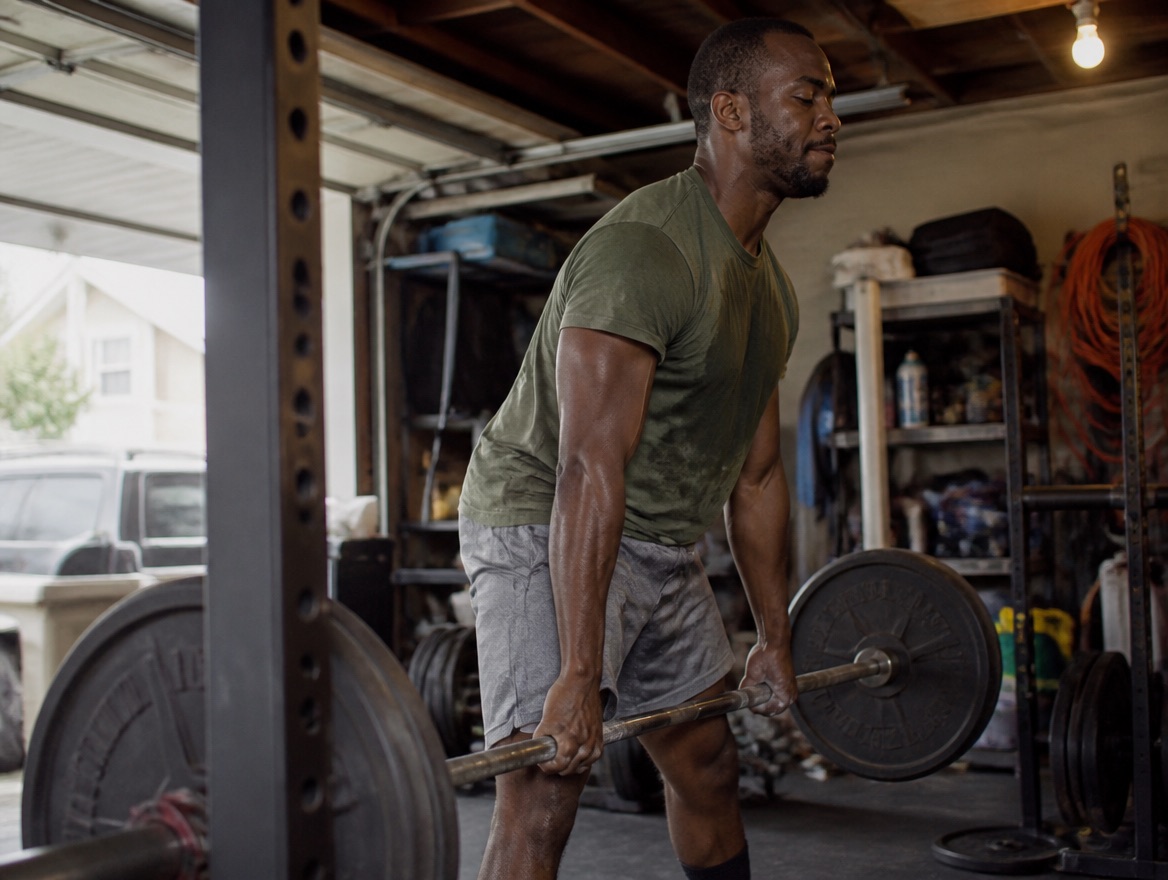
Why Muscle May Be a Longevity Asset
Strength isn't just for athletes. Maintaining muscle as you age may be one of the more powerful ways to stay capable, independent, and healthy for longer.
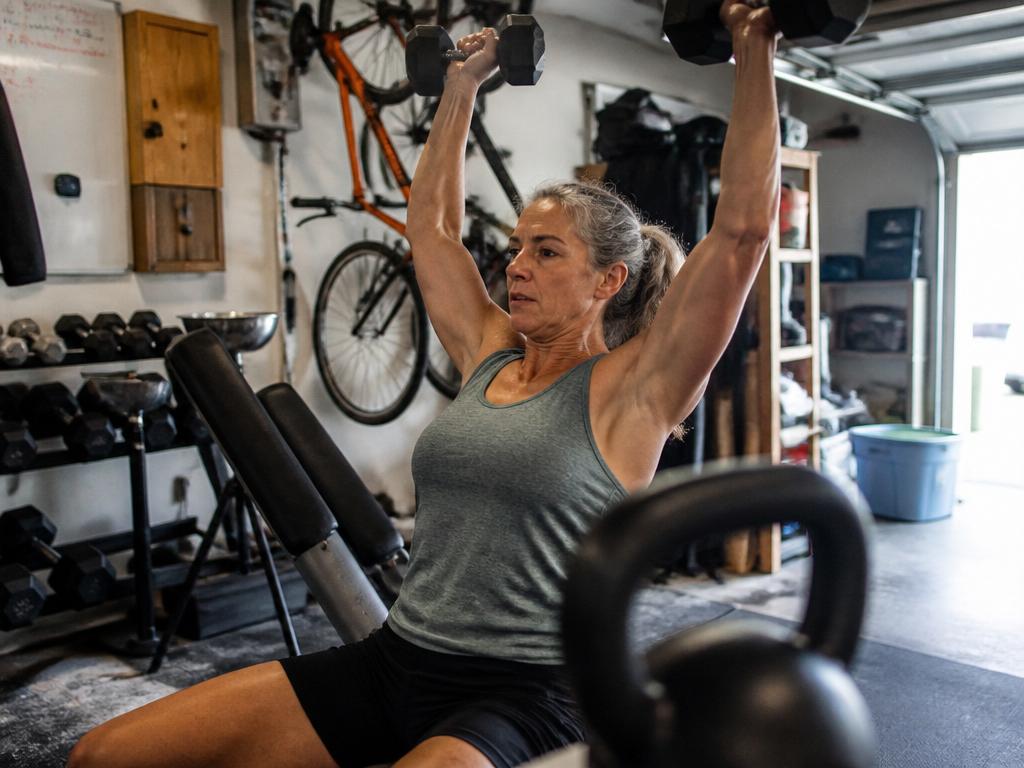
We tend to think of muscle as something for athletes or the gym-obsessed. But there’s a growing case that maintaining strength is one of the quieter foundations of aging well — less about looking a certain way, more about staying capable for decades.
Strength, mobility, and aging
Muscle does far more than move weights around. It helps you carry groceries, climb stairs, rise from a chair, catch yourself when you stumble, and stay steady on your feet. As we get older, those everyday capabilities become the difference between an independent life and a constrained one.
Research consistently links greater muscle strength and physical function with better outcomes in aging. Strength supports balance and stability, which matters enormously because falls are a major threat to older adults’ independence and health. Staying strong is, in a real sense, staying mobile — and staying mobile is staying in charge of your own life.
There’s also a metabolic angle. Muscle is active tissue that plays a role in how the body handles blood sugar and overall metabolic health. While the full picture is complex, the broad message from the evidence is encouraging: more functional strength tends to travel with better health as the years add up.
Crucially, this isn’t about being able to lift impressive numbers. It’s about preserving the practical strength that ordinary life requires.
Why it matters more after 40
Here’s the part that lights a fire under the topic: muscle isn’t permanent unless you work at it. Starting somewhere in midlife, adults tend to gradually lose muscle mass and strength if they don’t actively maintain them. The decline is slow at first and easy to ignore — until one day familiar tasks feel harder than they used to.
This age-related loss is exactly why the case for strength sharpens after 40. The goal shifts from building ever more to protecting what you have and slowing the slide. Each decade of maintained strength is a decade of preserved capability banked for later.
A few reasons the midlife window matters:
- The losses compound. Small annual declines add up over many years into meaningful weakness if left unchecked.
- Strength is your buffer. The more functional capacity you carry into your later years, the more cushion you have against decline.
- It’s reversible at almost any age. Encouragingly, research suggests that even older adults can build strength with appropriate training — it’s rarely too late to start.
That last point deserves emphasis. The story here isn’t fatalistic. Muscle responds to being challenged across the lifespan, so the time to act is whenever you’re reading this.
Building muscle as a long game
The way to treat strength is as a lifelong habit, not a short-term project. You don’t need extremes — you need consistency and gradual progress over years.
The core principle is simple: muscles grow stronger when you challenge them and then let them recover. That challenge can come from many sources, and “appropriate for you” beats “intense” every time.
Practical, sustainable foundations:
- Train strength a couple of times a week. Regular, moderate sessions beat occasional heroic ones.
- Work the major movements. Pushing, pulling, squatting, hinging, and carrying cover the muscles daily life depends on.
- Progress gradually. Slowly increase difficulty over time so your body keeps adapting.
- Support it with protein. Adequate protein across the day gives muscle the raw material it needs.
- Respect recovery. Strength is built during rest, not just during effort.
How you train matters less than that you train. Bodyweight movements, resistance bands, free weights, or machines can all build strength — what counts is challenging your muscles consistently and letting them recover.
A quick reframe on the goal:
| Not the point | The actual point |
|---|---|
| Lifting heavy for its own sake | Staying capable for life |
| A short-term transformation | A decades-long maintenance habit |
| Looking a certain way | Functioning a certain way |
If you’re new to strength work, have health conditions, or aren’t sure where to start, it’s wise to check in with a clinician or a qualified professional to tailor an approach to you.
The bottom line
Muscle may be one of the most underrated longevity assets you have — not for appearance, but for the everyday strength and stability that keep you independent and active as you age. The natural drift toward losing muscle after midlife is exactly why maintaining it matters, and the encouraging truth is that muscle responds to training at nearly any age. Treat strength as a long game, build it consistently, and you’re investing in the capable years ahead.