Energy and Blood Sugar: Smoothing the Spikes and Crashes
The energy rollercoaster after certain meals is real — and how you build your plate can flatten the ride for steadier, longer-lasting energy.

You know the pattern: a quick snack or a carb-heavy lunch lifts you up, then drops you into a sluggish, hungry slump an hour later. That up-and-down ride has a lot to do with blood sugar — and the steadier you keep it, the steadier your energy tends to feel.
What drives spikes and crashes
When you eat carbohydrates, your body breaks them down into glucose, which enters your bloodstream and serves as a primary fuel. This is completely normal and necessary. The issue is the shape of the rise and fall.
Foods that digest very quickly — think refined and sugary items with little fiber, protein, or fat to slow them down — tend to send blood sugar up fast. Your body responds by bringing it back down, and sometimes that correction overshoots, leaving you lower than where you started. That dip can show up as the familiar crash: tiredness, difficulty concentrating, irritability, and a craving for another quick fix. Eat that quick fix, and the cycle repeats.
By contrast, meals that release their energy more gradually tend to produce a gentler curve — less of a sharp peak, less of a hard landing. For most people, that translates to more even energy and fewer crash-driven cravings.
It’s worth saying plainly: carbohydrates aren’t the enemy, and a normal rise in blood sugar after eating isn’t a problem. The goal here is simply smoothing out the extremes so your energy doesn’t lurch from high to low.
Building a steadier plate
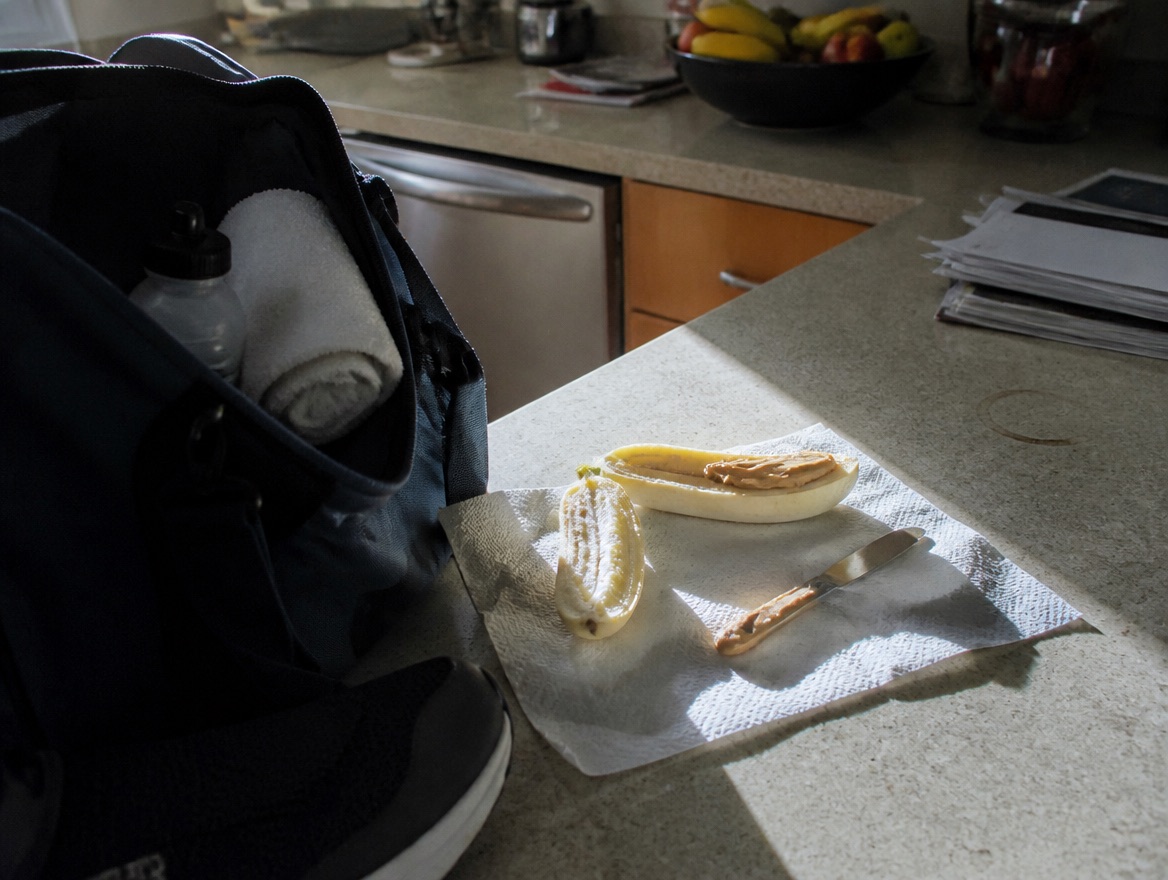
The single most useful habit for steadier energy is to stop eating carbohydrates naked. When you pair them with protein, fiber, and some healthy fat, the whole meal digests more slowly, and the blood-sugar curve flattens out.
A simple, flexible template:
- Protein at every meal — it slows digestion and helps you feel full.
- Fiber from vegetables, fruit, beans, or whole grains, which blunts the rise.
- Healthy fats in moderate amounts to add staying power.
- Quality carbohydrates as the energy base, leaning toward less-processed sources.
Here’s how the same calories can land very differently:
| A spiky choice | A steadier swap |
|---|---|
| Pastry alone | Eggs with whole-grain toast |
| White rice on its own | Rice with beans, veggies, and chicken |
| Fruit juice | Whole fruit with a handful of nuts |
| Crackers by themselves | Crackers with cheese or hummus |
Notice the pattern: the steadier versions simply add protein, fiber, or fat alongside the carbohydrate. You don’t have to cut carbs or count anything — you just stop sending them in alone.
The order-of-eating idea, examined
You may have heard that the order in which you eat your food can affect your blood-sugar response — that starting a meal with vegetables and protein before the starchier components leads to a gentler rise than diving into the carbs first.
There’s some research exploring this idea, and it’s a plausible, low-risk thing to try. For some people, leading with the veggies and protein may modestly soften the curve. It costs nothing and might help, so if you’re curious, experiment with it.
That said, it’s worth keeping perspective. The order of your food is almost certainly a smaller lever than what’s actually on the plate. A balanced meal eaten in a “wrong” order will likely serve your energy better than a refined, carb-only meal eaten in the “right” one. Treat food order as a minor optimization, not a rule to stress over.
A few grounded takeaways on the topic:
- The composition of your meal matters more than the sequence.
- Trying veggies-and-protein first is harmless and may help — feel free to test it.
- Don’t let order-of-eating advice distract from the bigger wins: balance and quality.
And a quick note: if you have diabetes, prediabetes, or any condition that affects blood sugar, your situation is individual. The general ideas here aren’t a substitute for guidance from your own clinician.
The bottom line
Steady energy starts with a steady blood-sugar curve, and the most reliable way to flatten the ride is to build balanced plates — protein, fiber, and fat alongside your carbohydrates, every time. Lead with vegetables if you like the idea, but don’t sweat the sequence. Get the composition right, and you’ll likely trade the spike-and-crash rollercoaster for something a lot smoother and a lot more pleasant to live on.