The Science of the Afternoon Energy Dip — and How to Ride It
The post-lunch slump is partly hardwired into your body clock. Here's why it happens and how to work with your rhythm instead of fighting it.
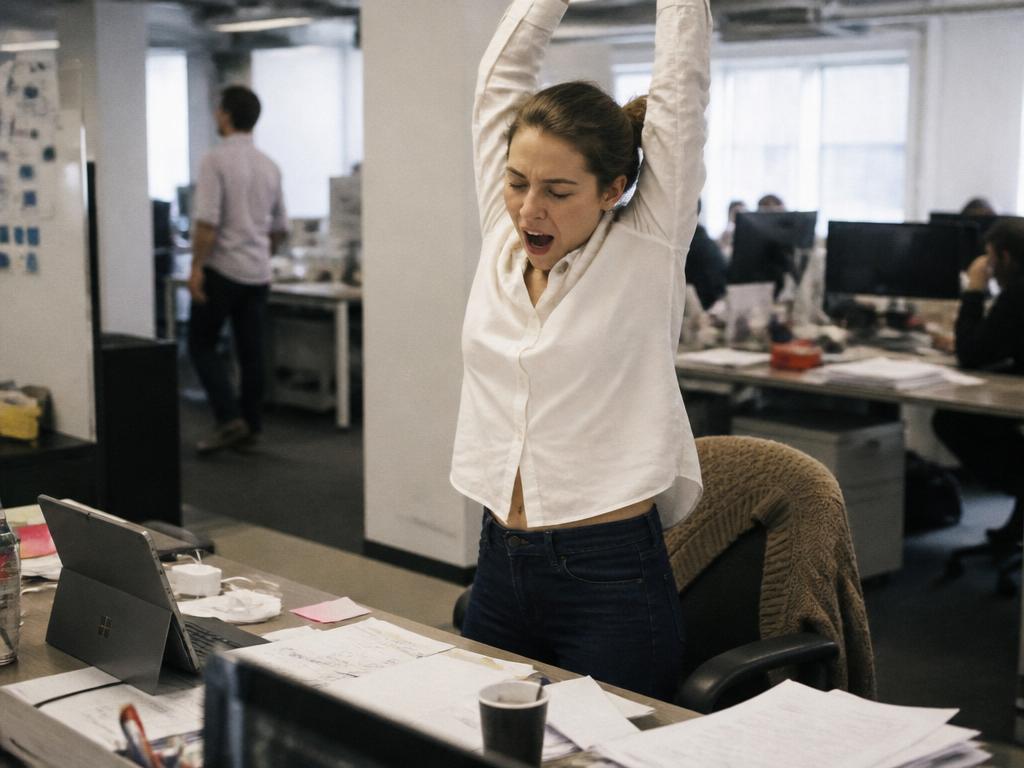
That mid-afternoon fade where your eyelids feel heavy and your focus drifts isn’t a personal failing or a sign you’re out of shape. For most people, it’s partly biology — and once you understand the mechanics, you can ride the dip instead of crashing into it.
Circadian dips and the post-meal lull
Your alertness isn’t a flat line that slowly drains through the day. It rises and falls on a roughly 24-hour cycle driven by your internal body clock. Research on circadian rhythms suggests most people experience a natural dip in the early-to-mid afternoon, often somewhere in the window after lunch. This dip tends to show up whether or not you ate a big meal — it appears to be baked into the rhythm itself.
Food can amplify the effect, though. A large meal heavy in refined carbohydrates may nudge blood sugar up and then down, and the work of digestion can leave you feeling sluggish. The result is a one-two combination: a built-in circadian low point arriving at roughly the same time your body is processing lunch.
The practical takeaway is reassuring. The dip is normal, it’s temporary, and it’s not evidence that something is wrong with you.
Light, movement, and timing fixes
The good news is that several everyday levers can soften the slump. None of them require special equipment — just a little intention.
- Get bright light. Light is one of the strongest signals to your body clock. Stepping outside for a few minutes, or sitting near a window, can help nudge alertness back up.
- Move your body. Even a short walk gets your circulation going and can counteract the heavy, glued-to-the-chair feeling. A lap around the block or a few flights of stairs often does more than another cup of coffee.
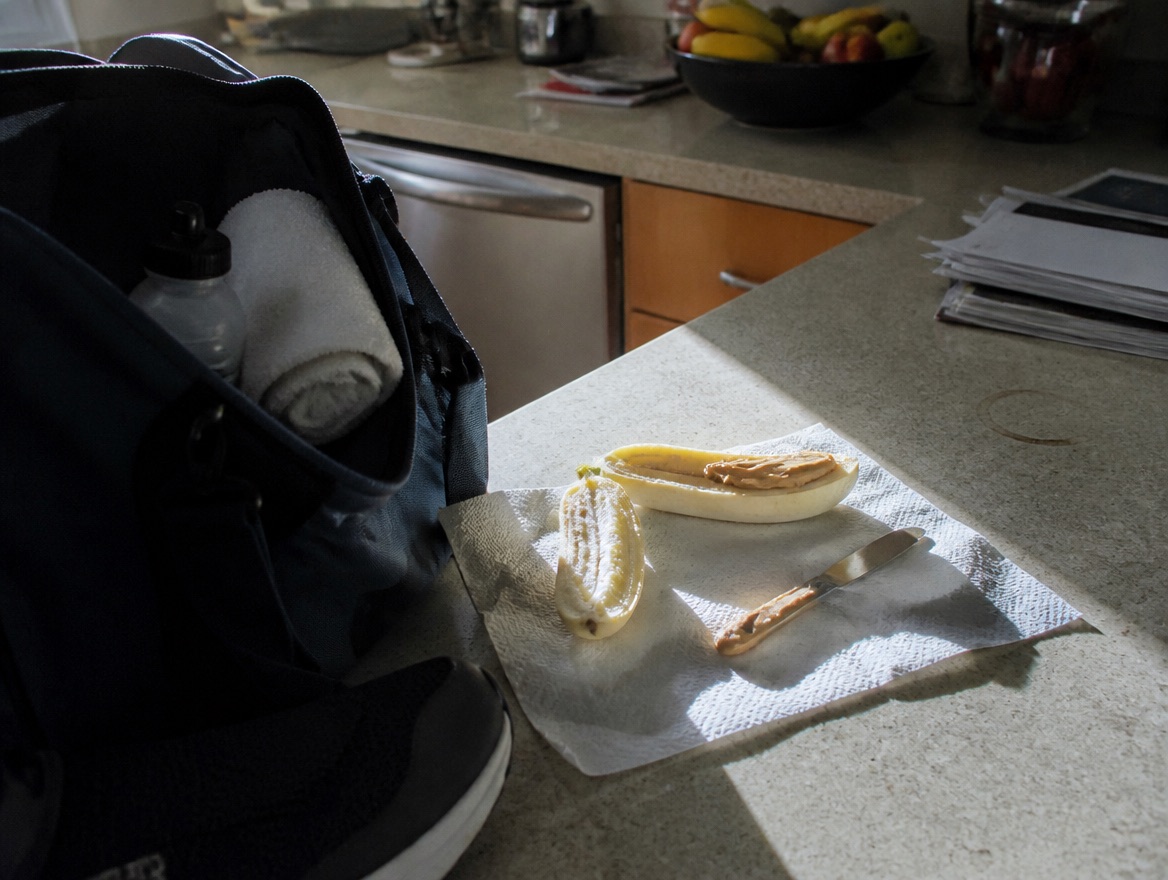
- Mind your lunch. Meals that pair protein, fiber, and some healthy fat with your carbohydrates tend to produce steadier energy than a carb-only plate. You don’t have to eat tiny — just balanced.
- Time demanding work wisely. If you have flexibility, schedule routine or low-stakes tasks for your personal dip window and save the deep-focus work for when you naturally feel sharper.
- Consider a short rest. For some people, a brief pause — even closing the eyes for a few minutes — is more restorative than pushing through.
Here’s a quick way to think about matching the fix to the feeling:
| What you’re feeling | A low-effort first move |
|---|---|
| Foggy and unfocused | Step into bright light |
| Heavy and sluggish | Take a short walk |
| Cranky and depleted | Hydrate, then have a balanced snack |
| Genuinely sleepy | A brief rest, if you can |
What to stop blaming it on
It’s easy to pin the afternoon dip on the wrong culprits, and that can send you chasing fixes that don’t help.
It’s probably not just “needing more caffeine.” Reaching for a late-day coffee may mask the dip temporarily, but if it’s close to evening it can quietly interfere with your sleep — which sets up an even rougher tomorrow. The afternoon slump is often less about caffeine deficit and more about rhythm and recovery.
It’s also not necessarily a sign of laziness or poor discipline. Willpower can’t override a circadian low point any more than it can override the tide. Treating the dip as a character flaw just adds stress to an already low-energy moment.
And while a heavy lunch can deepen the lull, skipping lunch entirely isn’t a reliable fix either. Going too long without food can leave you running on empty by mid-afternoon, which feels a lot like the slump it was supposed to prevent.
If your afternoon crashes are severe, happening every single day, or paired with other symptoms like persistent exhaustion that sleep doesn’t touch, that’s worth a conversation with a clinician — it may point to something beyond ordinary rhythm.
The bottom line
The afternoon energy dip is largely a feature of how your body is built, not a flaw in how you’re living. You can’t eliminate the rhythm, but you can ride it: get some light, move a little, eat balanced meals, and schedule your hardest thinking for when you naturally shine. Work with the wave instead of against it, and the slump becomes a brief lull rather than a wall.