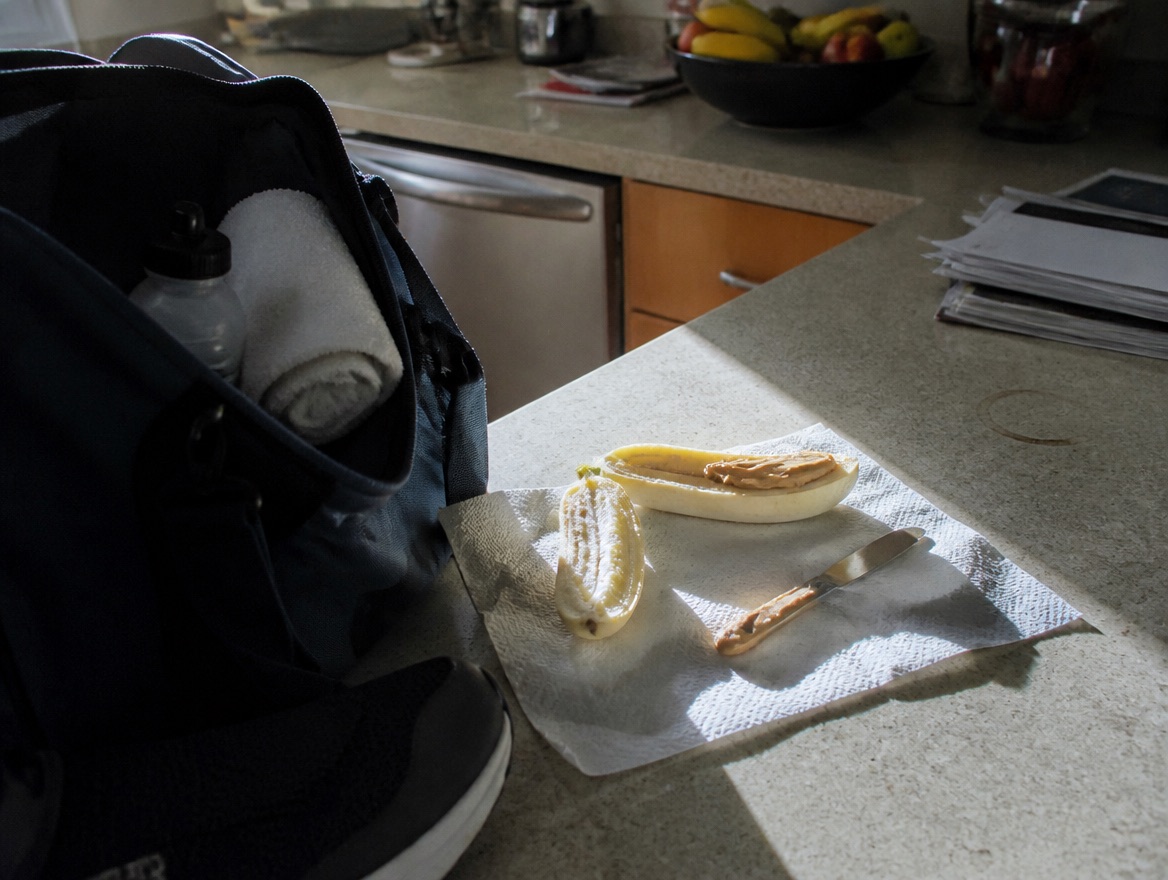
Breaking Up Sitting: Movement Snacks Through the Workday
Tiny bursts of activity scattered through the day can counter long hours of sitting — no gym trip required. How to build movement snacks into your routine.
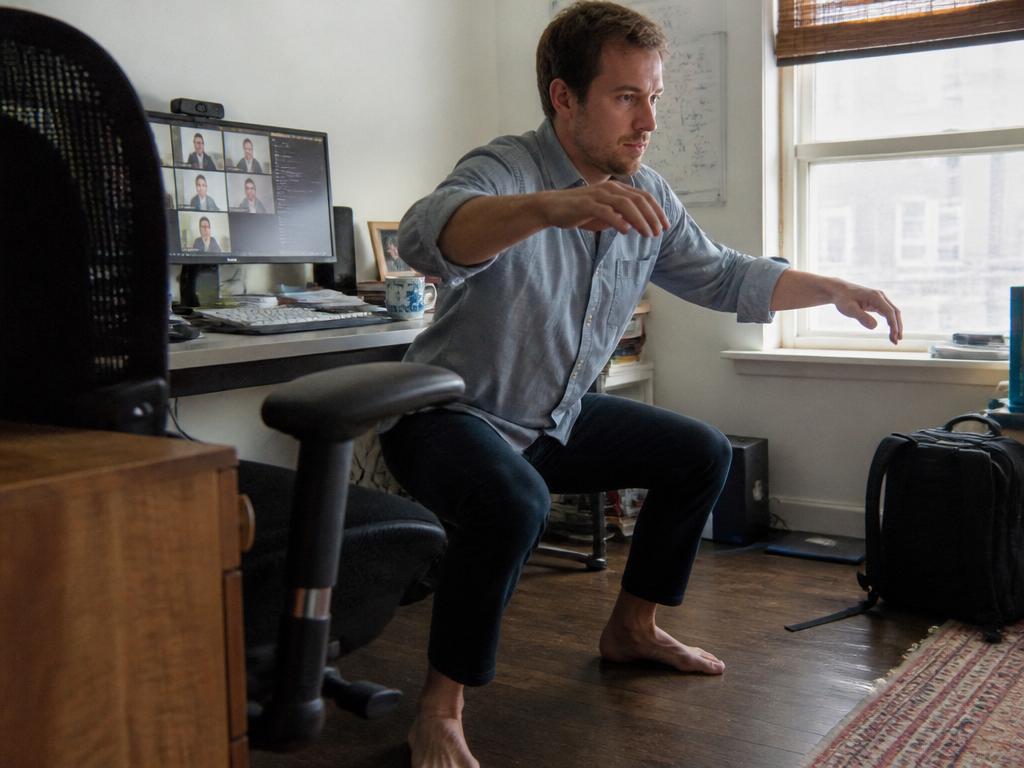
You don’t have to choose between a sedentary desk job and an active body. The idea of “movement snacks” — brief bursts of activity sprinkled through the day — offers a practical middle path that fits even the busiest schedule.
Why long sitting matters
Modern life involves a lot of sitting — at desks, in cars, on couches. And research increasingly suggests that long, unbroken stretches of sitting may carry health downsides of their own, somewhat independent of whether you exercise.
That last part is the surprising bit. You can do a solid workout in the morning and still spend most of your waking hours seated, and the prolonged sitting itself appears to matter. In other words, a single bout of exercise doesn’t necessarily cancel out hours of stillness. The body seems to benefit from movement being distributed across the day, not just concentrated in one session.
The encouraging flip side: the apparent fix is simple. Breaking up sitting with brief movement seems to help. You don’t need to eliminate sitting — that’s neither realistic nor necessary — you just need to interrupt it regularly. Standing up and moving for a moment every so often appears to make a real difference.
This reframes things helpfully. The goal isn’t a punishing exercise regimen on top of a busy day. It’s the much gentler habit of not staying glued to your chair for hours on end.
Easy movement-snack ideas
A movement snack is exactly what it sounds like: a small, bite-sized portion of activity. It doesn’t need to be strenuous, doesn’t require changing clothes, and can take as little as a minute or two. The whole point is that it’s easy enough to actually do, repeatedly.
A menu of options:
- Stand up and stretch — reach overhead, roll your shoulders, loosen your neck.
- Take a quick walk — a lap to the kitchen, around the office, or to the end of the street.
- Do a few simple movements — a handful of squats, calf raises, or wall push-ups.
- March or step in place — easy to do almost anywhere, even on a call.
- Climb a flight of stairs — a fast, effective burst if stairs are handy.
- Loosen stiff areas — gentle movements for hips, back, and shoulders that tend to tighten when seated.
| Time you have | A movement snack to try |
|---|---|
| One minute | Stand and stretch, or march in place |
| Two to three minutes | A short walk or a few flights of stairs |
| Five minutes | A quick loop outside plus some gentle stretching |
The variety is the point — keep a few favorites in your back pocket so there’s always one that fits the moment, your space, and your energy.
Stacking them onto your day
The trick to making movement snacks stick is to attach them to things you already do, so they happen automatically rather than relying on willpower or memory.
Practical ways to build them in:
- Use natural transitions. Stand and move whenever you finish a task, end a meeting, or hang up a call.
- Set gentle reminders. A periodic nudge — an alarm or a calendar prompt — can cue you to get up before you’ve been sitting too long.
- Pair them with habits. Do calf raises while the kettle boils, stretch while a page loads, or walk while you think through a problem.
- Take calls on your feet. Walking or standing meetings turn talk time into movement time.
- Hydrate strategically. Drinking water means more trips to refill and more reasons to stand up — a built-in movement prompt.
A few mindset notes help the habit last:
- Aim for “often,” not “perfect.” The goal is simply to interrupt long sitting regularly, not to track every minute.
- Lower the bar. Even standing up briefly counts; movement snacks work because they’re easy.
- Let them add up. Scattered bursts accumulate into a meaningfully more active day without ever feeling like a workout.
And remember, movement snacks complement rather than replace regular exercise. The ideal is both: dedicated activity when you can fit it, plus a day that isn’t dominated by uninterrupted sitting.
The bottom line
Long, unbroken sitting appears to carry its own health costs — ones that a single daily workout doesn’t fully erase — but the remedy is refreshingly simple. Movement snacks, tiny bursts of activity sprinkled through your day, break up the stillness without requiring a gym trip or a schedule overhaul. Stack them onto things you already do, aim for “often” rather than perfect, and let them accumulate. Your chair doesn’t have to be a trap — just get up and move a little, regularly.